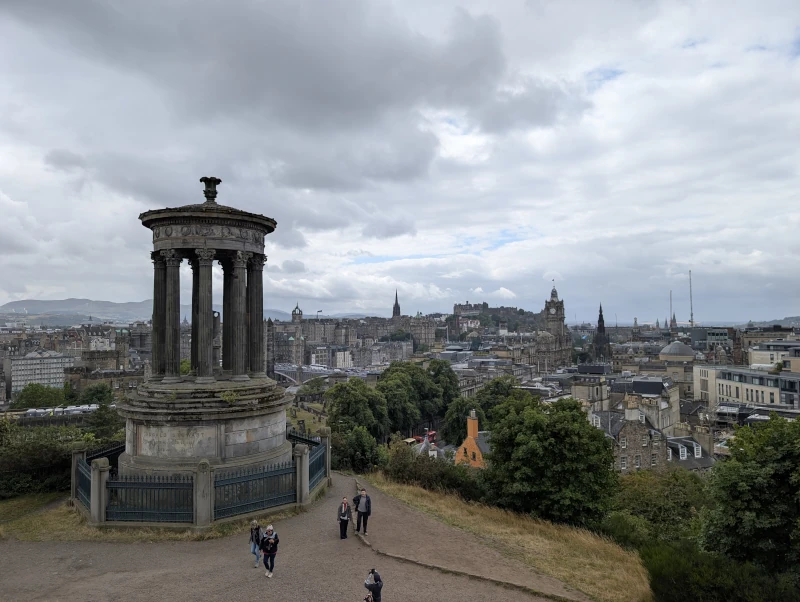
Scotland
(Last update: )
A one week trip to Scotland to visit some distilleries and taste some whisky.
Distilleries visited:
- Glendronach (valley of the brambles)
- Glenfiddich (valley of the deer)
- Glen Moray (valley of moray - the county)
The first, Glendronach, was the smallest, with a production in the region of 3m litres per year. Glenfiddich was the largest with 21m litres per year and Glen Moray was the local option, with 6m litres per year. All were expanding. Only Glendronach actually produced its own malt from the barley.
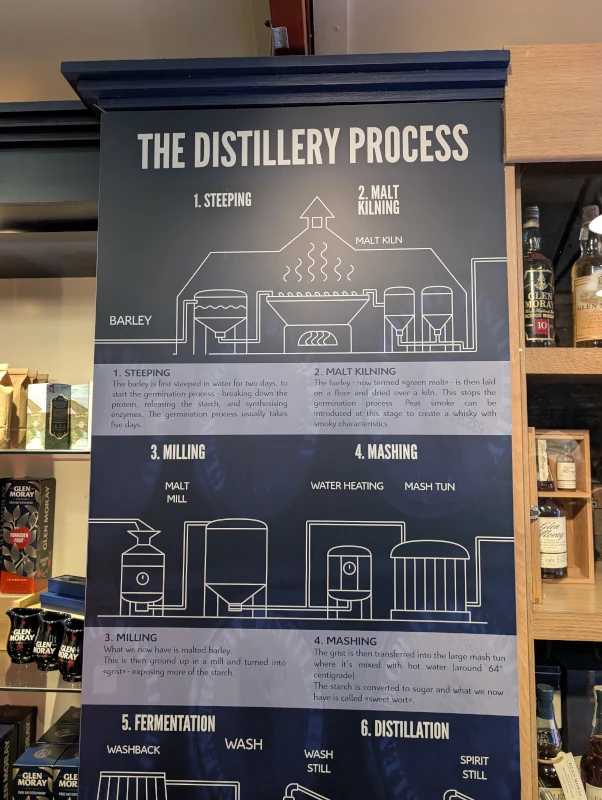
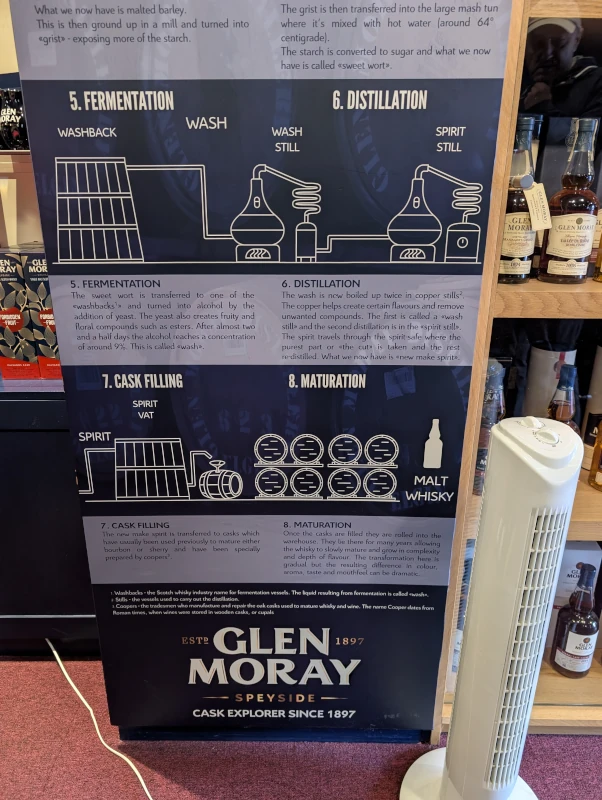
The three tours all explained the distillation process in the same way - there's not much to differentiate here. The taste comes mainly from the casks that are used, not the distillation process.
Of the three tours, the Glen Moray one was the most informative, but least personal since it had most visitors on the tour. Glendronach was most personal with only 6 of us on the tour. Perhaps the last one was the most informative because after three times of hearing the same thing, it finally registered.
The reason older whisky cost more is because it loses about 1 - 2% of its volume per year in the cask. It also loses up to 4% of its alcohol per volume per year. The whisky lost through the wood at the bottom of the cask is called the devil's share. The whisky that evaporates out of the top of the cask is called the angle's or fairy's share.
For whisky to be legally called whisky in Scotland, it must have matured for at least three years and one day and it can't be less than 40% alcohol per volume when it is bottled.
Of course we did other things on the tour as well. Here are some photos.
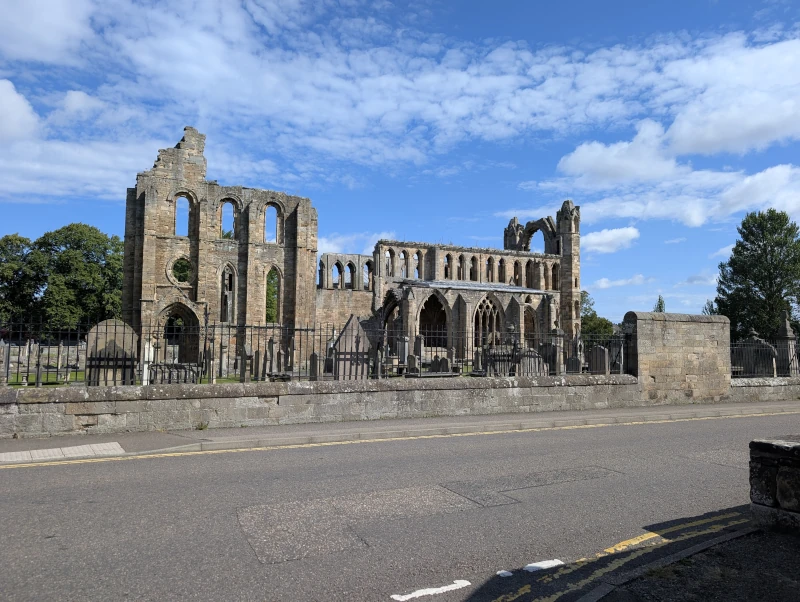
Elgin Cathedral
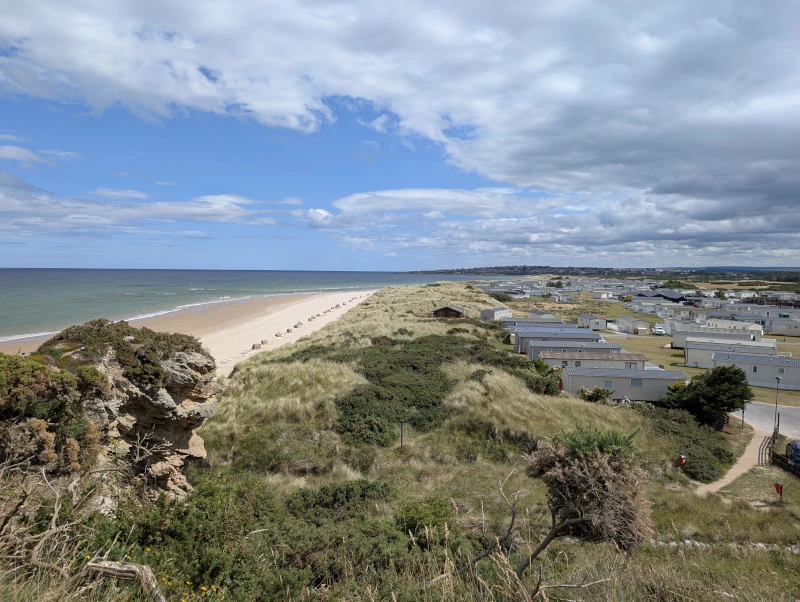
Lossiemouth beach
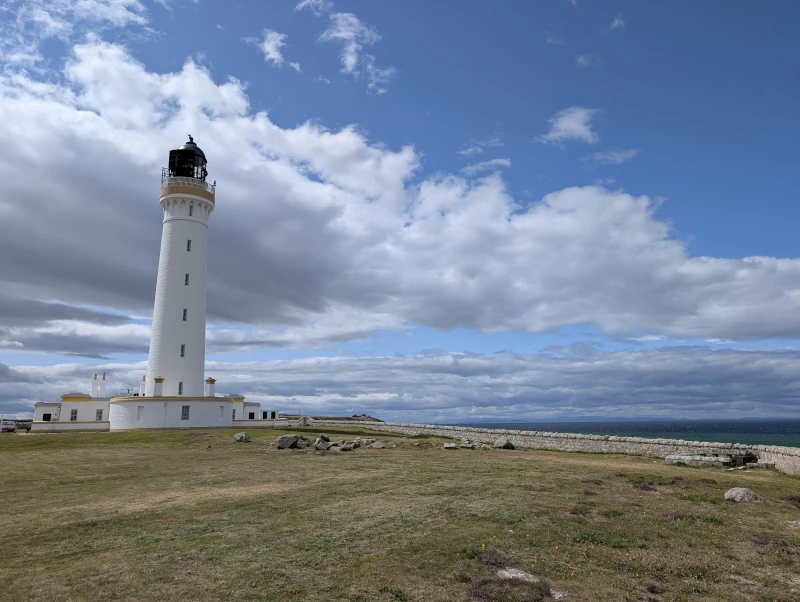
Lossiemouth Lighthouse
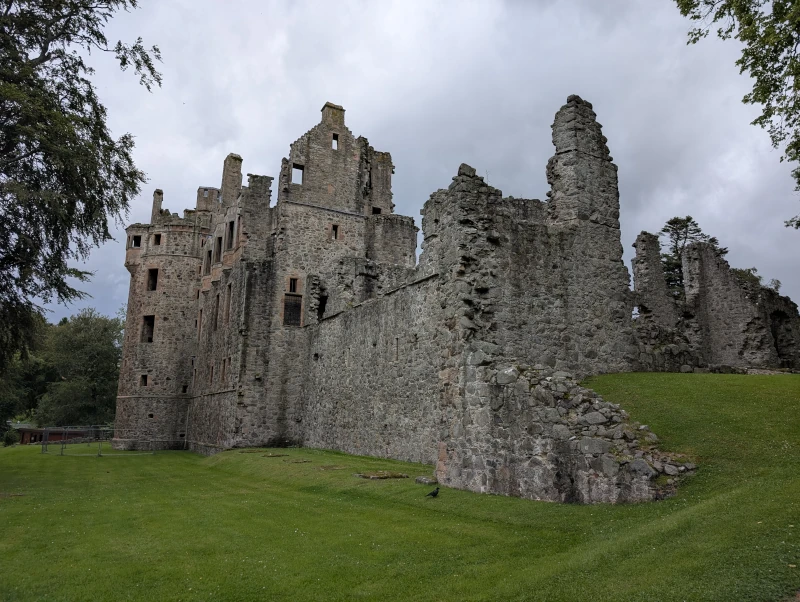
Huntly Castle
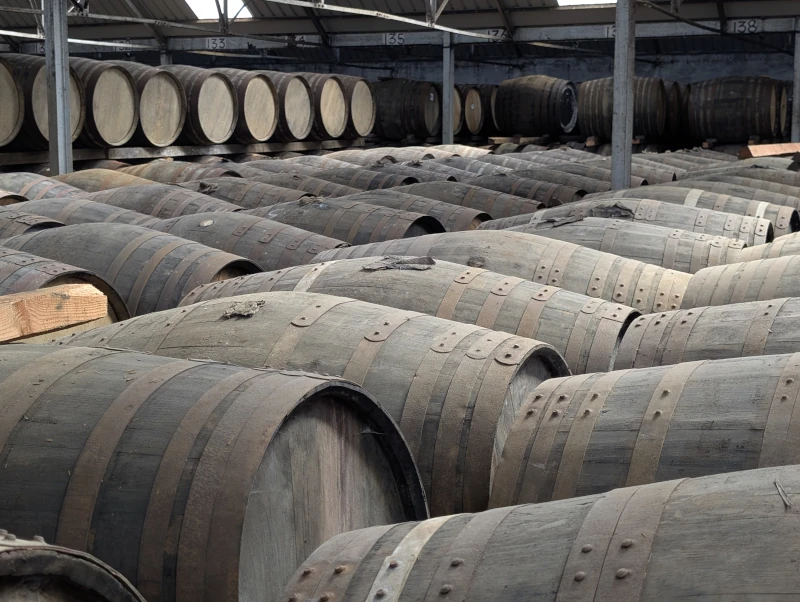
Casks - Glendronach
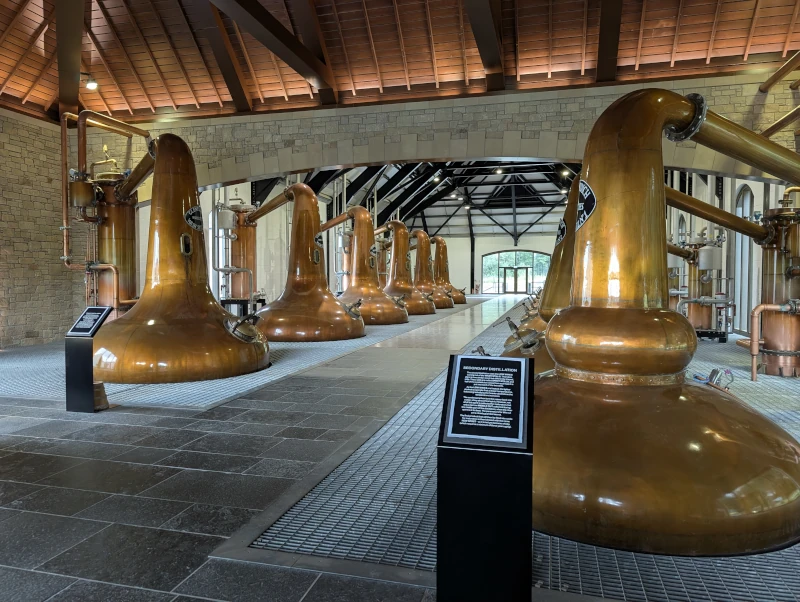
Stills - Glenfiddich
Distillation process 1 of 2
Distillation process 2 of 2
Arthur's seat
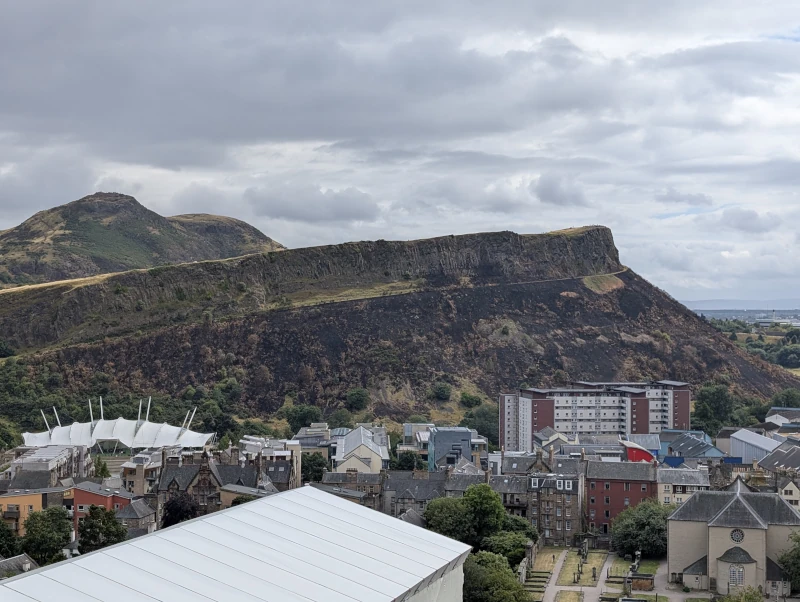
Edinburgh